

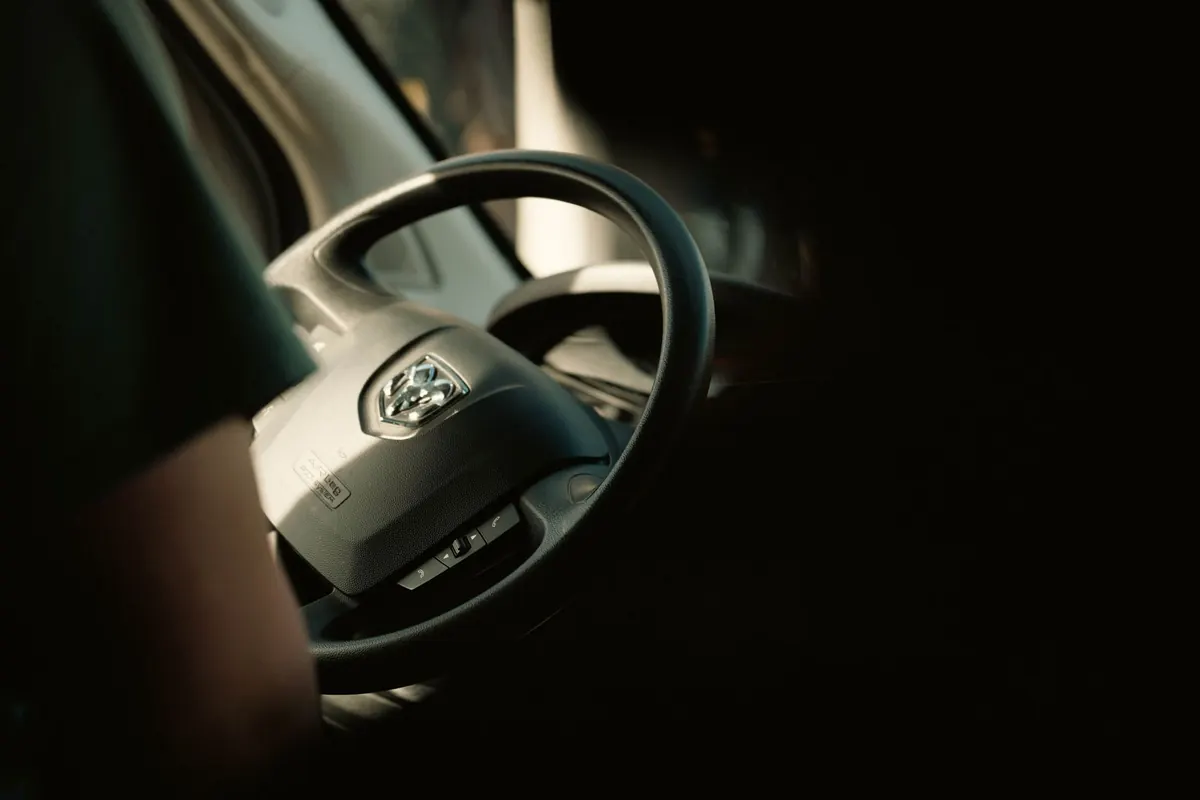
Everyone's first drift looks roughly the same: a hopeful clutch kick, a lurch, a brief wiggle of the rear, then either a stall or a full spin. Nothing has gone wrong. Drifting is a small number of simple inputs applied at precisely the right moment, and the timing is what separates a tidy slide from a cloud of tyre smoke and a bruised ego.
The faults below turn up on every practice day, and none of them are a talent problem. Pick one per session, drill it until it stops feeling like a decision, then move on to the next.
Clutch-kick timing: too early, too late, or both
A clutch kick exists to break traction at the rear when grip is holding on. Beginners usually fire it too early, stamping the clutch while the car is still straight and the steering is barely turned. The result is wheelspin in a straight line, a car that grips again the moment you steer, or a stall if you've also lifted off the throttle.
The opposite fault is just as common: waiting until the car has already turned in and the rear is refusing to let go. By then you're asking one clutch kick to undo an entry speed that was too high, and it won't.
The sequence that works is set, stab, feed. Set the car with your steering and a small lift to move weight forward. Stab the clutch quickly and commit to the throttle. Feed the clutch back out as the rear steps out and you begin to catch it. Keep it to one clean kick rather than three panicked jabs.
Drill: count it out loud
Find a large open area — a skid pan, an airfield practice day or a dedicated drift venue. On a slow second-gear circle, say "turn, lift, clutch, power" out loud as you do each one. Speaking forces you to slow the sequence down and shows you exactly which step you're rushing or skipping.
Steering angle: frozen hands, then far too much lock
When the rear steps out, one of two things happens. Either your hands stay exactly where they were and the car rotates past the point of no return, or you yank a full turn of opposite lock in a panic, the rear tyres unload, and the car spins the other way. Both end with you facing backwards.
Counter-steer should roughly match the angle the car is sliding at, and grow as the slide grows. The useful mental image is steering the front wheels along the direction you actually want to travel, rather than fighting the rear. Let the wheel slide through your fingers when you need to — gripping it rigidly means you can never catch a fast transition.
Drill: minimum lock, maximum patience
On a wet surface or loose gravel, try holding a slide with as little lock as you can get away with. The car will feel slow and lazy. That's the point. Add lock in small increments and notice how much earlier it wants to snap. Most drivers find they've been using double the lock they needed.
Throttle control: on/off isn't a technique
Once the car is sideways, the throttle stops being a speed control and becomes an angle control. Lifting mid-drift transfers weight to the front, the rear tyres bite, and the car either snaps straight or spins. Stabbing at the pedal does the same thing in reverse.
Common throttle mistakes:
- Stabbing the throttle to start a slide, then lifting completely once it begins
- Adding power before the car has any angle, which just spins the rears in a straight line
- Coasting with the clutch in, which takes away your main tool for holding the slide
- Chasing revs instead of watching the angle and adjusting to it
The fix is small, constant corrections — a few degrees of pedal movement rather than a binary on/off. Hold a set angle on a long constant-radius circle with the throttle steady, and correct with your right foot in tiny amounts.
Entry speed: arriving far too hot
Speed feels like commitment, so beginners carry too much of it into the corner and leave themselves no time to react. A slower, committed entry is nearly always faster to learn on, because it gives your hands and feet a chance to work.
Get your braking done before you turn in, then keep a light trail of brake pressure into the corner to hold weight on the front and help the rear rotate. If you arrive sideways with your hands already full of lock and your foot buried, the answer is almost always less entry speed, not more throttle.
Eyes on the wrong thing
Where you look is where you go, and beginners look at the cone they're about to hit, the rear of their own car, or the wall. Lift your chin and look at your exit point and the next transition up the road. Your hands will follow your eyes without you thinking about it, and you'll stop making corrections three metres too late.
Modifying the car before learning to drive it
A standard rear-wheel-drive car on a consistent rear tyre will teach you more in a month than a stripped, welded, turbocharged build will in a year. Extra grip at the rear makes the car harder to rotate, and extra power magnifies every timing error you haven't fixed yet.
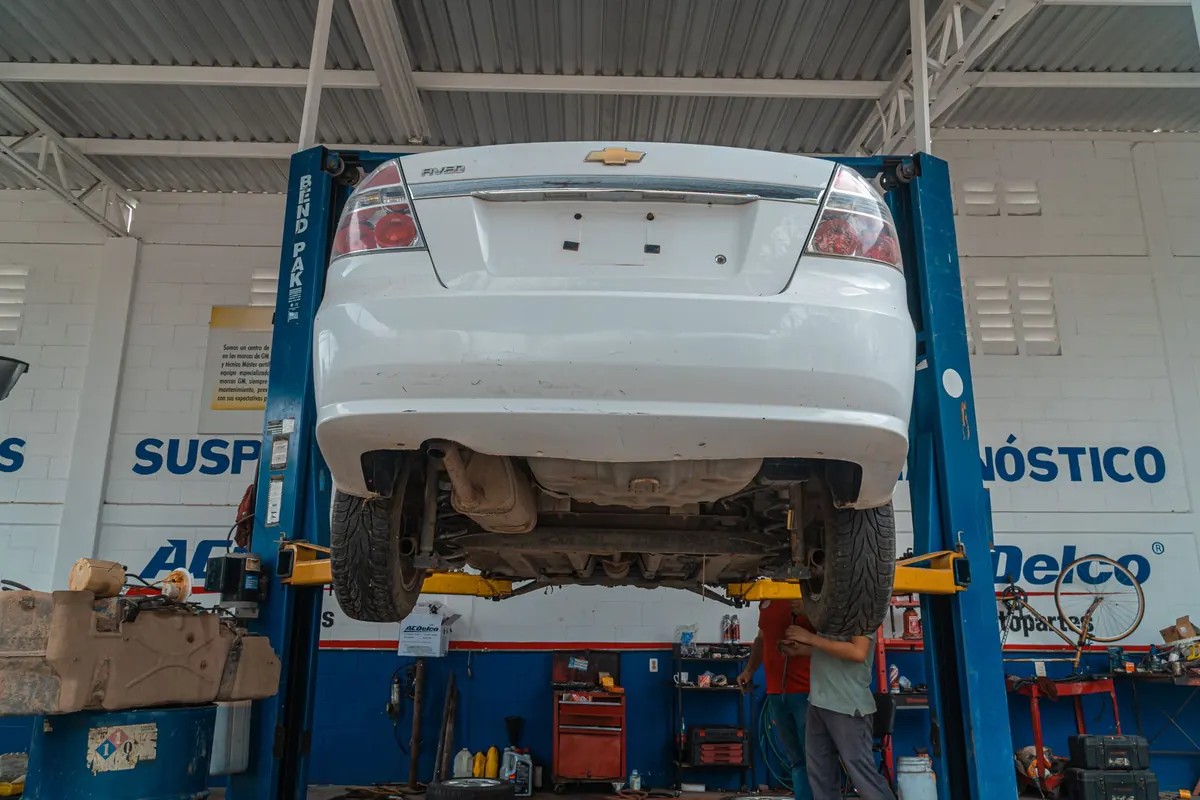
Spend your money on seat time first. Do set the car up properly, though: sit close enough to the wheel that you can turn it without locking your arms, and check tyres, fluids and brakes before every session. If you're unsure about anything safety-related, have a mechanic look it over — that bill is cheaper than a barrier.
Five drills to run in one session
- Figure of eight at walking pace. Slow, deliberate, both directions. This is where transitions are learnt.
- Fixed-radius donut. Hold one angle for a full set of laps. Your only job is steady throttle and small steering corrections.
- One clutch kick per lap. Mark a point on your circle and kick only there. It teaches timing instead of reaction.
- Same corner, ten times. Change one variable each run — entry speed, then initiation point, then throttle. Note what happened.
- No-handbrake laps. Initiate with weight transfer and throttle alone. Slower, revealing, and it kills lazy habits.
Making progress without burning a set of tyres
Warm up the car and yourself with two or three easy laps before chasing anything. Then choose one fault from this list and give it your whole session. Trying to fix clutch timing, steering and throttle at once just means you'll fall back on whatever your hands already do.
Check tyre pressures, fluid levels and wheel nuts between runs, and keep it all on a track or private venue with the landowner's permission. Public roads aren't a practice ground, and the consequences there are far worse than a spin. Drifting rewards patience more than bravery. Slow the inputs down, let the car tell you what it needs, and the speed will arrive on its own.
Photo: James Collington / Pexels