

Your first drift competition will pass in a blur of tyre smoke, clipboard-waving marshals and a stomach full of nerves. That is entirely normal. What makes the day feel manageable is knowing the order of events before you arrive: what happens at signing on, why scrutineering almost always takes longer than you expect, how judges actually score a run, and the unwritten rules that keep a paddock friendly. Here is how a typical UK grassroots competition day unfolds, from the moment you roll through the gate to the drive home.
Before the day: regs, paperwork and the boring bits
Entries usually open weeks in advance through the organising club's website or social pages, and popular grassroots days fill quickly. Read the supplementary regulations properly. It sounds dull, but the regs tell you what licence or club membership you need, whether the venue runs a noise limit, what tyre and safety equipment rules apply and how the day will be structured.
If a Motorsport UK licence or club membership is required, sort it early. Applications take time, and turning up without the right paperwork means watching from the fence. Some events accept cars without an MOT provided they meet the club's safety requirements, but confirm that with the organiser rather than assuming. Check your insurance too: standard road policies often exclude competition use, so read the policy and speak to a specialist broker if you are unsure.
Arrival, signing on and scrutineering
Get there early. Gates usually open well before the drivers' briefing, and the first hour is spent unloading, finding your paddock space and queuing for paperwork. Park tidily, keep access routes clear for recovery vehicles and ambulances, and introduce yourself to whoever you are parked next to. You will need them later.
Signing on is straightforward: licence, membership card, an indemnity declaration, then a wristband and a car number. After that comes the noise test and scrutineering, and this is where first-timers lose time.
What scrutineers actually look at
- Battery securely mounted, with the positive terminal covered
- Seats and harnesses properly mounted, with no frayed webbing
- Working brake lights, including any hydraulic handbrake setup
- Front and rear tow hooks or straps, clearly marked and easy to reach
- No fluid leaks, and nothing loose rolling around the cabin
- Bonnet and boot latches or pins secure
- Wheel nuts torqued, with no missing or damaged studs
- Helmet free from cracks and meeting the standard listed in the regs
- Fire extinguisher, cage padding or isolation switch where the series requires them
Most scrutineers will give you a chance to fix a small fault if there is time before the briefing. Bring cable ties, tape, a socket set and a torque wrench, and you can usually solve it on the spot.
The drivers' briefing
Attendance is compulsory. The clerk of the course will cover flags, the track layout, entry and exit points, overtaking and spin rules, recovery procedures and any noise curfew. Listen, take it in, and ask questions if anything is unclear. If you are unsure where the clipping points are, ask a marshal or an experienced driver once practice begins. Missing the briefing can mean you do not drive at all.
Practice, qualifying and how judging works
The day normally runs as sighting laps, practice, qualifying and then battles. Practice is yours to use: find the line, test your braking points and work out how the surface changes as it gets scrubbed in. Qualifying runs are usually solo, with two judged runs and your best score counting.
What judges are scoring
Judging rewards consistency rather than one heroic lap. The main criteria are line, angle, style, proximity and speed. Line means using the intended clipping points and the full width of the course. Angle means holding a committed drift without spinning. Style covers clean transitions and throttle control. Proximity applies in tandem runs, where the chase car is judged on how close it stays. Speed is about carrying momentum rather than scrubbing it off.
Watch other drivers' qualifying runs from a good vantage point, then read the score sheets afterwards. If you can, ask a more experienced driver what they saw from behind you. That feedback is worth more than another set of tyres.
Tandem battles and close driving
Once qualifying is done, the top qualifiers are paired for tandem battles. The lead car sets the pace and the chase car must mirror the line and close the gap. Keep it clean. Deliberately slowing to make your opponent look bad is poor form and some series will penalise it. If you spin, come off the throttle, keep the car predictable and let the other driver past safely. If there is contact, report it to the clerk of the course rather than settling it in the paddock.
Judges sometimes cannot separate two runs and will call for One More Time, usually shortened to OMT. It means exactly what it says: run it again.
Paddock etiquette that gets you invited back
The paddock is a small community and word travels. A few habits will make you welcome.
- Ask before touching anyone's car, even to close a door
- Keep your space tidy and put a drip tray under the car if it marks the surface
- Drive at walking pace, with someone walking ahead if visibility is poor
- Lend tools when asked; you will need the favour returned
- Help recover a car off the grass without being asked
- Thank the marshals and organisers, who gave up their weekend for your track time
- Keep the revs down early and late, especially at venues close to houses
- Do not post footage of someone else's crash before they have told their family
Your first event, in short
- Sign on and collect your wristband
- Noise test and scrutineering
- Drivers' briefing
- Sighting laps and practice
- Qualifying runs
- Tandem battles
- Results, pack up, thank the marshals
Pack for a full day: water, food, spare wheels, fluids, tools, gloves, a hat and a waterproof. Take a friend if you can, because having someone to check your tyre pressures while you queue makes an enormous difference. Plan the drive home before you start, whether that means a trailer or a road-legal car you can still insure and tax.
You will probably not win your first event. You will learn more in one competition day than in months of practice on your own, and you will meet people who will help you get quicker. Turn up early, listen at the briefing, look after your car and be decent in the paddock. That is the whole job.
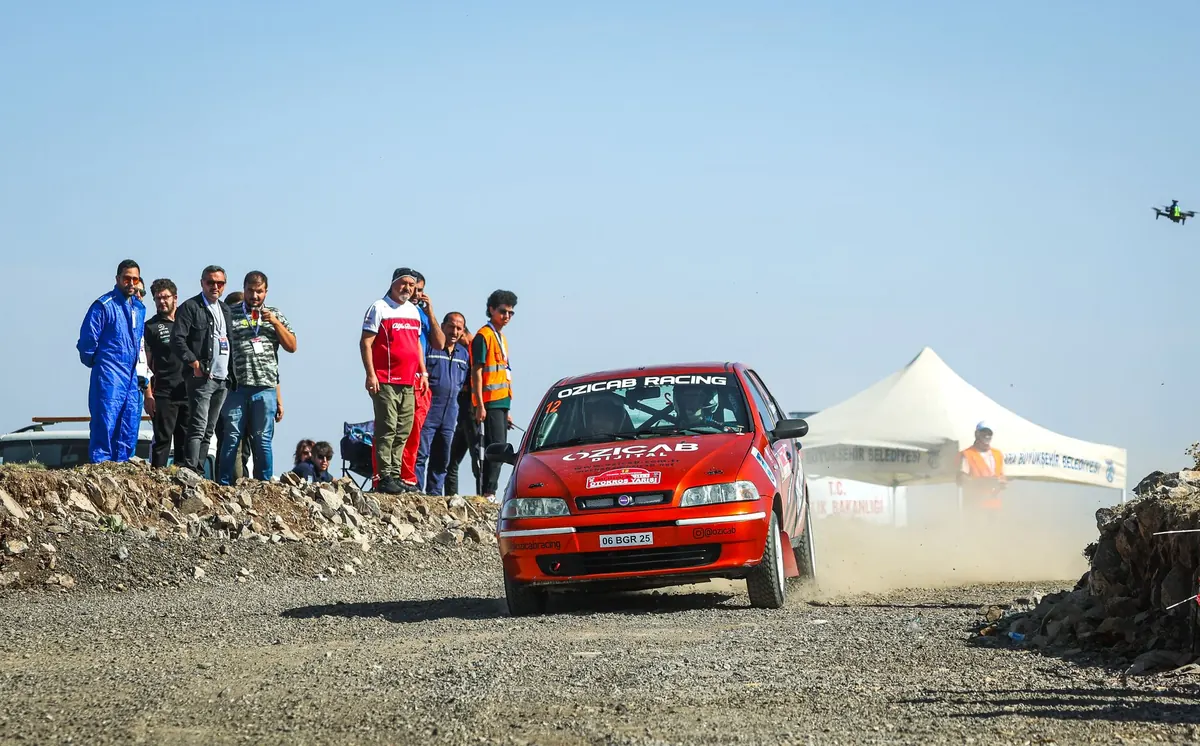
Photo: Ozicab Racing / Pexels