



Winter Drift Car Preparation: A Seasonal UK Maintenance Guide
British winters are a quiet assault on a drift car. Salt on the roads, damp air in the garage, and temperatures that swing from mild and wet to hard overnight frosts create a perfect storm for corrosion, seized components and electrical gremlins. For a drift car, the stakes are higher. Many are lightly used, stripped out, running aggressive alignment, sticky tyres, stiff suspension and modified cooling. A few months of neglect in a cold, damp garage can undo a season's worth of setup work.
This guide is not about turning your drift car into a concours show car. It is about keeping it usable, safe and mechanically sound through the UK winter, whether you are storing it until spring or taking it out for the occasional cold, damp track day. The aim is simple: stop salt and moisture before they start eating metal, keep fluids from freezing or degrading, and make sure the car wakes up in spring without a list of expensive surprises.
Why UK Winters Are Hard on a Drift Car
UK winters are rarely extreme in the way Scandinavian or Canadian winters are, but they are consistently wet, salty and unpredictable. That combination is arguably worse for a car than a dry, consistent freeze. A drift car also tends to sit for longer periods, which gives corrosion and condensation more time to work.
- Road salt: Gritters spread salt and brine on motorways, A-roads and many B-roads. It sticks to subframes, brake lines, fuel lines, suspension arms and every hidden crevice. Once it is wet, it becomes a corrosive paste that keeps working long after the drive is over.
- Damp garages: A cold garage with no airflow is a condensation chamber. Metal surfaces drop below the dew point, moisture settles on them, and rust begins. Tools, spare wheels and bare shells suffer too.
- Temperature swings: Repeated freezing and thawing can crack rubber bushes, shrink seals, weaken old hoses and stress electrical connectors. It also makes old coolant, weak antifreeze and tired batteries fail without warning.
- Low use: A drift car that sits for weeks does not get the benefit of heat cycles burning off moisture in the oil, exhaust and engine bay. Brakes can stick, clutch plates can rust to the flywheel and handbrake cables can seize.
If you only do one thing this winter, clean and protect the underside. Salt left in the arches and subframe is the silent killer of UK drift cars.
Start With a Deep Clean and Inspection
Before you apply any protection, the car needs to be genuinely clean. Washing the top half and ignoring the underside is a waste of time. Salt trapped under dirt and old underseal will keep corroding even if you spray fresh protection over the top.
Underside and arches
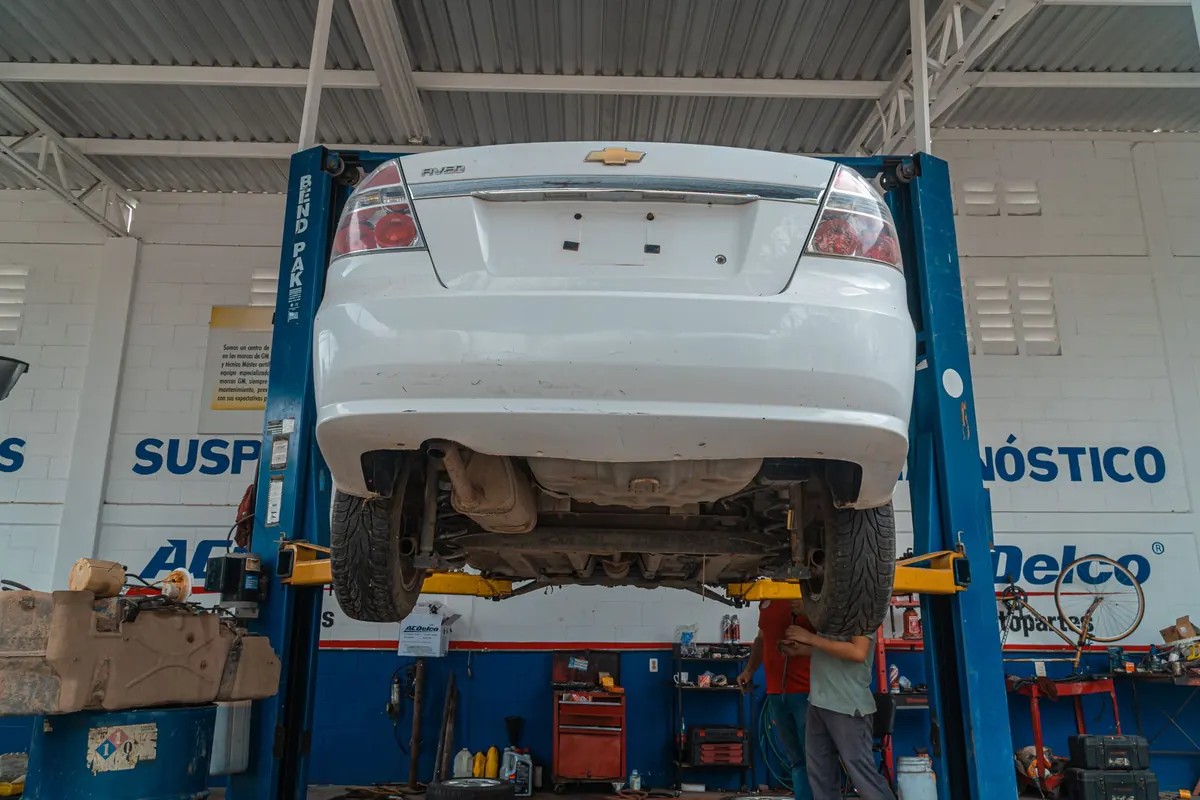
Get the car safely on stands or a lift. Remove the wheels if you can. Use a pressure washer carefully around the arches, sills, subframes, fuel tank area and suspension. Avoid blasting directly into wheel bearings, ball joints, ABS sensors and electrical connectors. If the car has been driven on salted roads, pay special attention to the inner arches, brake lines, fuel lines and the area around the jacking points.
Once it is dry, inspect for bubbling paint, surface rust, cracked seam sealer, missing grommets and blocked drain holes. Small areas of rust are far easier to treat now than to weld later. Check the boot floor, spare wheel well, battery tray and the base of the rear arches, all common rot spots on older Japanese and European drift cars.
Engine bay and interior
In the engine bay, look for damp around the fuse box, ECU, coil packs, injector plugs and alarm wiring. A stripped interior makes it easy to spot water ingress around the rear quarters, footwells and cage mounting plates. If you run a bucket seat and harnesses, check that the harness eyes and mounting plates are not rusting. Moisture trapped under sound deadening or carpet can quietly rot the floor.
Protect the Body and Chassis
Once the car is clean and dry, protection is your priority. There are several approaches, and the best one depends on whether the car is a dedicated track machine, a road-legal drift car or a project that lives outside.
- Wax and sealant: A durable wax or synthetic sealant on the paint helps stop salt and dirt bonding to the surface. It also makes winter washing easier.
- Anti-corrosion spray: Aerosol or cavity wax products are ideal for inside sills, chassis rails, doors and the boot floor. They creep into seams and displace moisture.
- Underseal: A flexible underseal or stone chip protection can shield the floor and arches from grit, but only apply it over clean, dry, rust-free metal. Trapping moisture under underseal is worse than leaving it bare.
- ACF-style protectant: A light anti-corrosion spray on electrical connectors, brake lines and exposed fasteners can help slow surface rust without making a mess.
Paint, glass and trim
Do not forget the small stuff. Lubricate door seals with silicone spray so they do not freeze shut. Treat window rubbers and boot seals. Check that sunroof drains, if fitted, are clear. If the car has a carbon or fibreglass bonnet, check the mounting points and pins for corrosion. A cheap breathable car cover can help if the car lives outside, but never put a cover over a wet or dirty car.
Fluids, Filters and Freeze Protection
Winter is the wrong time to discover that your coolant is weak, your oil is contaminated or your brake fluid is old. Fluid changes are relatively cheap compared to a cracked block or a seized brake caliper.
- Coolant: Check the antifreeze concentration with a tester. A 50/50 mix is a good baseline for UK winters. Old coolant can become acidic and corrode the radiator, heater matrix and head gasket.
- Engine oil: Use the correct viscosity for your engine and climate. If the car has been running rich or doing lots of short, cold starts, change the oil and filter before storage. Fuel dilution and condensation reduce protection.
- Brake fluid: Brake fluid absorbs moisture. Old fluid has a lower boiling point and can cause internal corrosion in calipers, master cylinders and ABS units. If it has not been changed in two years, do it.
- Screenwash: Use a proper winter screenwash at the correct strength. Water alone will freeze, crack the washer bottle or blow the pump fuse.
- Fuel: Fill the tank before storage to reduce condensation. If you are storing for months, consider a fuel stabiliser, especially if you run ethanol-heavy pump fuel.
Battery, Electrics and ECUs
A weak battery is one of the most common winter failures. Cold weather reduces battery capacity, and a drift car with an alarm, ECU memory, dash camera or trickle-draining accessories can flatten a battery in weeks.
Battery care
Remove the battery and store it somewhere dry and above freezing if the car is off the road. If you leave it in the car, use a smart battery maintainer
Photo: K / Pexels