

Best First Drift Cars Under £5,000: UK Buyer's Checklist
EXCERPT: A practical checklist for buying your first rear-wheel-drive drift project under £5,000, covering rust, mechanical condition, modifications, paperwork and the hidden costs that catch out new UK drifters.
Buying your first drift car in the UK for under £5,000 is not really about buying a finished competition machine. At this price, you are buying a project, a learning tool and a set of compromises. The goal is to find a rear-wheel-drive car with a sound shell, predictable mechanicals and cheap enough parts that you can afford to actually drive it. If you spend every penny on the purchase and leave nothing for tyres, brakes, fluids, welding and entry fees, the car will sit on the driveway while your friends are out learning to link corners.
The best first drift car is not the fastest or the coolest. It is the one that starts, stops, steers, passes an MOT or can be made to pass without a full restoration, and does not scare you every time you look underneath it. In the UK, rust is the single biggest killer of cheap drift projects. A blown engine can be swapped. A rotten shell can swallow thousands in welding and still never feel right.
Why £5,000 Is the Realistic Starting Point
Prices for rear-wheel-drive cars have climbed steadily. The days of a £500 Nissan 200SX or a £700 BMW E36 are largely gone. At £5,000, you are usually looking at one of three things: a tidy but lower-powered car, a higher-powered car with cosmetic and mechanical issues, or a rusty project with desirable parts. None of those are automatically bad, but you need to know which one you are buying.
A sensible budget looks more like this: £2,500 to £4,000 for the car, then £1,000 to £2,000 held back for immediate maintenance. That might cover a clutch, cooling system refresh, brake pads and fluid, tyres, a battery, an MOT fail list and a drift day or two. If the seller says “it just needs a ticket” or “it will fly through an MOT,” treat that as a warning, not a guarantee.
Buy the best shell you can afford. Mechanical parts are replaceable. Structural rust is a lifestyle choice you do not want to make.
Best First Drift Car Candidates Under £5,000
BMW E36 and E46: 323i, 325i, 328i, 330i
BMW’s straight-six models are the default UK drift starter pack for good reason. They are rear-wheel drive, available with manual gearboxes, supported by huge knowledge bases, and parts are easy to find. A 328i E36 or 325i E46 can still be found under £5,000, often with tired suspension and scruffy paint.
Inspect the usual BMW rot spots: jacking points, sills, rear subframe mounting points, rear arches, boot floor, battery tray and rear shock towers. E46 models can suffer from cracked rear subframe mounting points, especially on harder-used cars. Check the cooling system, VANOS rattle on the six-cylinder engines, propshaft doughnut, diff whine and gearbox condition. A well-sorted 328i with a welded diff or LSD is a brilliant first drift car, but a rusty one is a money pit.
Mazda MX-5 Mk1 and Mk2
The MX-5 is not powerful, but it teaches momentum, steering feel and throttle balance better than almost anything else at the price. A 1.6 or 1.8 Mk1 or Mk2 can still be bought for £2,000 to £4,000, leaving budget for tyres and seat time. The trade-off is that low power means you need commitment and a good alignment to drift well.
Rust is the MX-5’s Achilles’ heel. Check the sills, rear wheel arches, front chassis rails, boot floor and suspension mounting points. Fresh underseal can hide serious rot, so tap carefully with a small screwdriver and use a magnet. A viscous LSD or aftermarket diff helps, but many cheap cars have open diffs. That is not a deal-breaker for a first project, but factor in the cost of a welded diff or proper LSD.
Lexus IS200
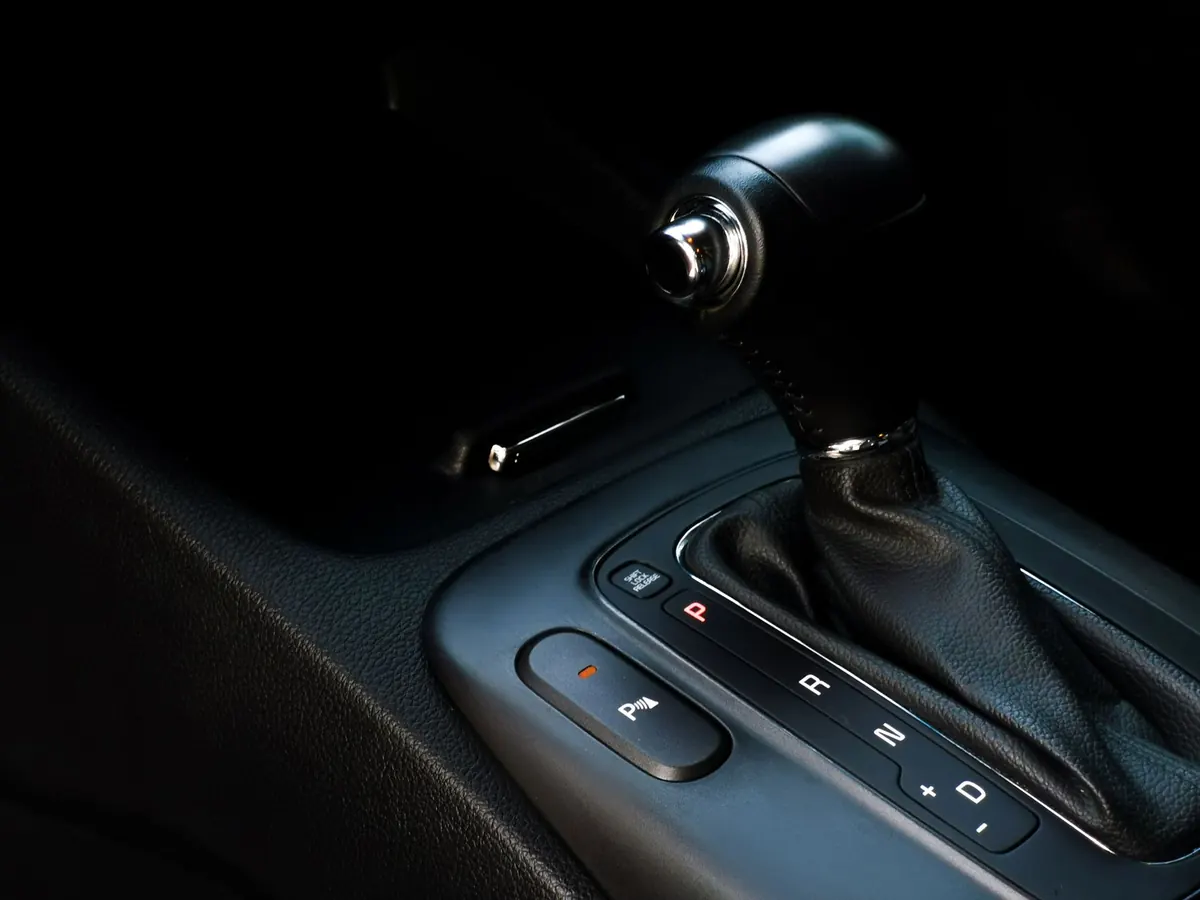
The IS200 offers a smooth 2.0-litre straight-six, rear-wheel drive and Toyota-era reliability. It is heavier than a BMW or MX-5 and not especially powerful, but it is tough and affordable. Manual examples are rarer and more desirable, so automatics are often cheaper. Converting to manual is possible but adds cost and complexity.
Check for rust in the sills, arches, underbody and rear subframe area. Listen for timing chain rattle, check for oil leaks and make sure the automatic gearbox shifts cleanly if you go that route. The IS200 is a left-field choice that can work well as a budget drift car, especially if you value reliability over outright pace.
Nissan 200SX S13 and S14
The 200SX is a drift icon, but under £5,000 you are usually looking at a project with rust, missing parts, a tired SR20DET or CA18DET, or a history of hard drift use. Clean examples have moved well beyond this budget.
Inspect strut towers, sills, floorpans, boot floor, rear arches and chassis rails. Check for boost leaks, turbo play, wiring horrors and poorly executed engine swaps. Parts are more expensive than BMW or MX-5 items, and many cars have been abused. Only buy one if you are prepared for a long-term project and can do much of the work yourself.
Toyota MR2 Mk2
The MR2 Mk2 is mid-engined, rear-wheel drive and cheap for a reason. It can drift, but its handling is less forgiving than a front-engine car, and snap oversteer catches out beginners. Rust in the sills, arches and subframes is common. It is an interesting choice, but not the easiest first drift car. If you buy one, budget for suspension refresh and plenty of practice in a safe environment.
Other Budget Options
You may also find Volvo 240, 740 or 940 models, Mercedes W202 C-Class, older Ford Sierra projects or high-mileage Nissan 350Z cars. Each has its own following. Volvos can be robust and turbocharged, but aftermarket drift parts are less common. Mercedes models can be durable but rust-prone. The 350Z has good power but heavy consumables and higher running costs. For a first car, stick to something with strong parts availability and a well-documented community.
The UK Buyer’s Checklist: What to Inspect Before You Hand Over Cash
1. Rust and Structural Integrity
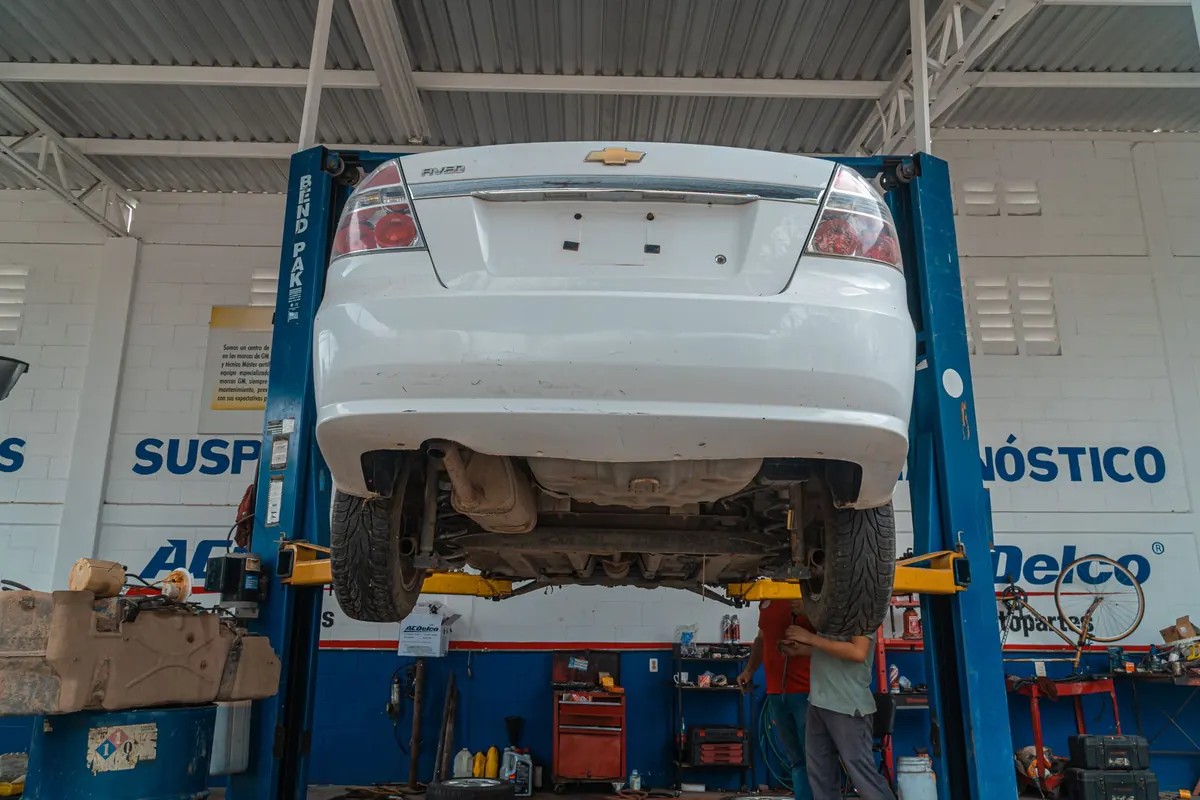
This is the most important part of any UK drift car inspection. Salt, rain and old repairs destroy shells. Check sills, jacking points, floorpans, chassis rails, strut towers, rear subframe mounts, wheel arches, boot floor and suspension mounting points. Bring a torch, a magnet and a small screwdriver. Tap suspect areas gently. If the seller will not let you inspect underneath, walk away.
Look at MOT history for corrosion advisories. Fresh underseal, fresh paint around seams or a suspiciously clean underside can hide rust. Welding is not automatically bad, but poor welding is. If the car has been welded, ask who did it and whether there are photos. A rusty shell is rarely a bargain, even if the engine is strong.
2. Engine, Gearbox and Drivetrain
Arrive when the engine is cold. A warm engine can hide cold-start rattles, smoke and misfires. Check oil and coolant condition. Mayonnaise under the oil cap can indicate head gasket failure. Listen for timing chain rattle, valvetrain noise, exhaust blows and turbo whine if applicable. On a test drive, check clutch bite, gearbox synchromesh, diff whine and propshaft vibration.
Drift cars suffer in the drivetrain. A welded diff will chirp and skip at low speed, which is normal for that modification but not ideal for road use. An LSD is generally more road-friendly. Check driveshafts, CV joints and the differential for leaks. If the car has an engine swap, inspect the wiring and mounting quality carefully.
3. Suspension, Steering and Brakes
Worn suspension makes a drift car unpredictable. Check for play in wheel bearings, ball joints, tie rods and steering rack. Coilovers and angle kits can be a bonus, but only if they are quality parts fitted properly. Cheap eBay arms and badly installed hydraulic handbrakes are common on budget drift cars.
Brakes matter more than power. Check discs, pads, lines and handbrake operation. A hydraulic handbrake must be installed safely and should not replace the original handbrake if you need an MOT. Tyres should be matched, legal and not ancient. Budget for several spare pairs, because drifting eats rear tyres.
4. Modifications and Paperwork
All modifications should be declared to your insurer. This includes coilovers, welded diffs, engine swaps, aftermarket seats, steering wheels, roll cages, turbo kits and ECU changes. If the seller says “the insurance company doesn’t need to know,” they are wrong. An undeclared modification can void your policy and leave you liable.
Check the V5C, MOT certificate and service history. Match the chassis number and engine number where possible. Ask about insurance write-offs. Cat S or Cat N cars can be cheap, but structural damage should be inspected by a professional. A history check is worth the small fee. Receipts for parts and work add confidence.
5. Interior, Electrics and Practicality
Drift cars are often stripped, but if you plan to drive on the road, you need lights, wipers, horn, seatbelts and a legal seating position. Check wiring for alarm systems, gauges, kill switches and battery relocations. Water leaks from sunroofs, boots and blocked drains can rot floors and fry electrics.
Test every switch, including windows, mirrors, heater, fans and lights. A dead battery or alternator is easy to fix, but a full wiring loom fire is not. If the car has bucket seats and harnesses, make sure they are mounted safely and in date where required.
Test Drive Checklist
- Start the engine from cold and listen for rattles, knocks or misfires.
- Check for smoke from the exhaust and leaks underneath after idling.
- Drive at low speed and test the clutch, gearbox and steering.
- Listen for diff whine, wheel bearing noise and propshaft vibration.
- Test the brakes firmly and check the handbrake works.
- Bring the engine to temperature and watch the gauge.
- After the drive, look for fresh oil, coolant or fuel leaks.
- Check all lights, wipers and electrical items.
- Ask the seller not to warm the car before you arrive.
Budget Beyond the Purchase Price
- Purchase price: £2,000 to £4,000 for a realistic under-£5,000 project.
- Immediate maintenance: £500 to £1,500 for fluids, filters, belts, brakes and tyres.
- Welding and rust repair: £300 to £1,500 or more, depending on severity.
- Drift tyres: £200 to £600 for a few spare pairs.
- Drift day entries: £80 to £250 per event, plus fuel and travel.
- Insurance: highly variable, especially for young or modified-car drivers.
- Recovery and storage: budget for breakdown cover, a trailer or secure parking.
Extra Section: Insurance, Legality and Drift Days in the UK
Insurance is often the biggest shock for new UK drifters. Modified rear-wheel-drive cars are higher risk, and many mainstream insurers will not touch them. Specialist brokers can help, but you must be honest about every modification. A welded diff, hydraulic handbrake, coilovers, bucket seats and engine swap all need to be declared. If you cannot insure the car legally, it is not a road car.
For track-only drift cars, many owners use a trailer and compete or practise at venues such as Santa Pod, Lydden Hill, Driftland and other UK circuits. Even track days usually require a roadworthy car, and track insurance is often separate. Check the venue’s rules before you book. If you are driving to and from events, the car must be taxed, MOT’d and insured.
Extra Section: First Upgrades That Actually Matter
Resist the urge to chase power immediately. Seat time is the best modification. After that, focus on reliability and safety. Fresh fluids, filters, belts, coolant hoses and a healthy cooling system will save you from repeated breakdowns. Good brake pads, fresh brake fluid and decent tyres will make the car more predictable.
- Safety first: fixed-back seat, harness, roll bar or cage if your venue requires it.
- Drift control: welded diff or LSD, then a properly installed hydraulic handbrake.
- Handling: quality coilovers, fresh bushes and a proper alignment.
- Cooling: radiator, fans, oil cooler and heat management for repeated runs.
- Angle: steering angle kit only after you have learned the basics.
Cheap power adds heat, stress and expense. A standard 328i, IS200 or MX-5 with good tyres and a sorted chassis will teach you more than a 400 bhp project that spends more time on axle stands than on track.
Final Thoughts
Finding a first drift car under £5,000 in the UK is possible, but it requires patience and a willingness to walk away from rust. Prioritise a straight, solid shell, a manual gearbox, rear-wheel drive and cheap parts. Accept that the car will be scruffy. Budget for maintenance, tyres and entry fees. Take an experienced drifter with you to inspect it if you can.
The best first drift car is the one that gets you to the track, survives the day and teaches you something. Buy sensibly, declare your modifications, keep it legal for the road, and spend your money on seat time rather than shiny parts. A slow car driven often will make you a better drifter than a fast car that never leaves the garage.
Photo: Erik Mclean / Pexels